Keyword SEO-Master Keyword Research and Discover the Best SEO Keywords with a Free Keyword Tool
Introduction: Why Your Keyword SEO Strategy Matters in 2025
In the ever-evolving world of search engine optimization (SEO), understanding and effectively utilizing keywords is fundamental. Keyword SEO is the cornerstone of any successful digital seo strategy, helping your content get discovered by the right audience at the right time. But how do you do a keyword search effectively?
This comprehensive guide will walk you through the ‘how-to’ of keyword research, from finding keyword opportunities to strategically integrating them into your plan, ensuring you climb the google search engine results pages (SERPs).
1. How to Find Keyword Opportunities for Your Business
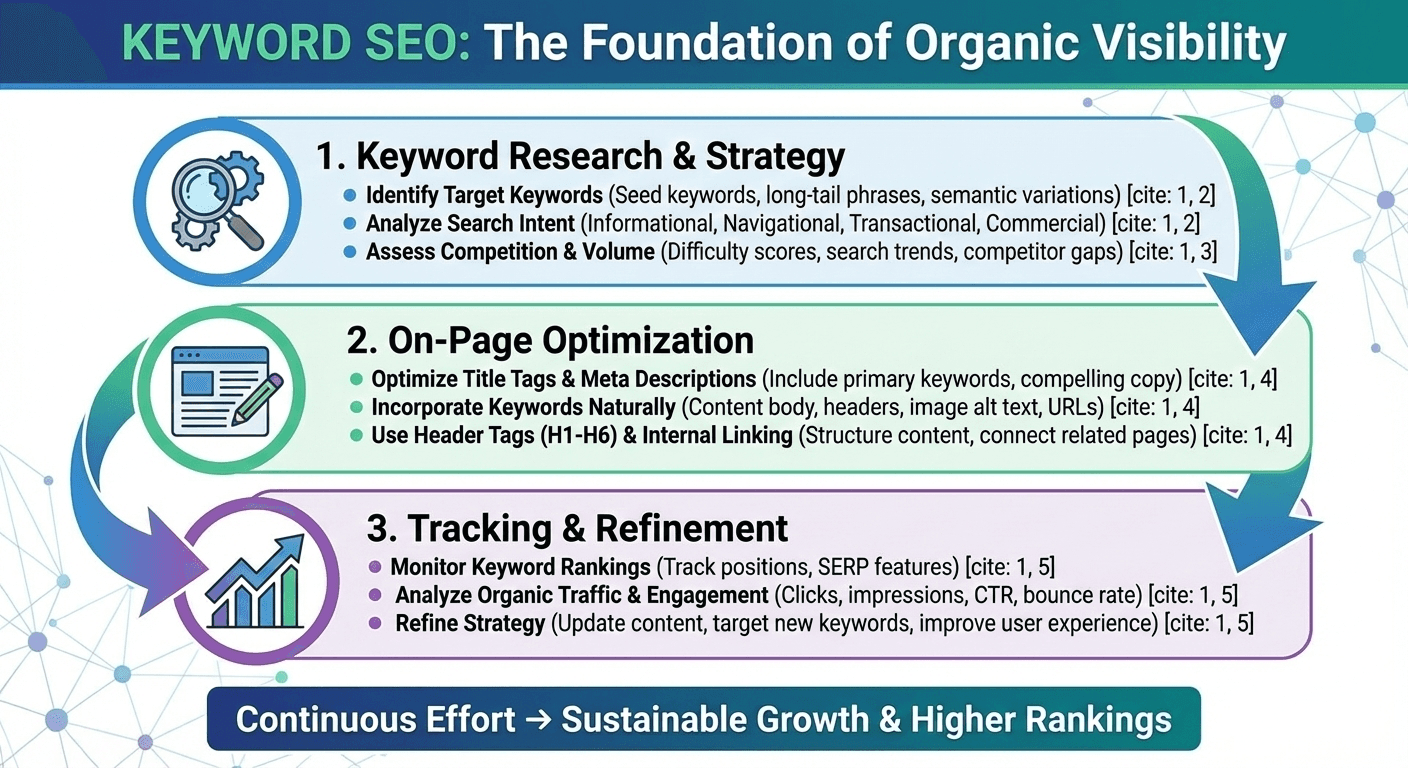
The first step in any robust keyword seo strategy is identifying what your target audience is searching for. This involves a mix of research, intuition, and data analysis.
- Understand Search Intent: Before anything else, consider why someone is conducting a search. Are they looking for information (informational), trying to find a specific website (navigational), researching a purchase (commercial investigation), or ready to buy (transactional)? Align your keyword ideas with the user’s intent.
- Utilize a Keyword Tool: Both paid and free keyword tool options can provide invaluable data on search volume, competition, and related seo keywords. Tools like the Semrush Keyword Magic Tool or the classic keyword magic features help uncover long-tail keywords—longer, more specific phrases that often have lower keyword difficulty and higher conversion rates.
- Leverage Google Autocomplete: For quick keyword ideas, simply start typing your main keyword into the search bar. Google autocomplete provides real-time insights into what users are currently asking, offering a wealth of keyword opportunities.
- Analyze Competitors: See what keywords your competitors are ranking for. This can reveal gaps in your own seo keyword strategy and give you insights into successful strategies.
2. How to Use a Keyword Strategy to Optimize Your Content
Once you have a list of target seo keywords, the next crucial step is integrating them naturally and strategically throughout your content. Remember, the goal is to provide value to users and signal relevance to google, not to stuff the keyword.
- Title Tag: This is the most important on-page SEO element. Include your main keyword as close to the beginning as possible to increase visibility.
- Heading Tags (H1, H2, H3): Your H1 tag should typically be your post title. Use H2 and H3 tags to break up your content and incorporate keyword variations or long-tail keywords.
- Body Content: Integrate your keywords naturally into the body of your text. Use semrush or other seo tools to identify related terms and synonyms to enrich your content semantically. Avoid “keyword stuffing,” which can harm your rank.
- Image Alt Text: Describe your image using a relevant seo keyword. This helps search engines understand your media content and makes your site more accessible.
3. How to Implement Long-tail Keywords Effectively
The line between optimization and over-optimization is crucial. Modern keyword seo rewards natural language and user experience over high keyword density.
- Focus on Semantics: Instead of repeating the exact keyword, use related terms and variations. Google‘s algorithms are sophisticated enough to understand the context and data behind your keyword strategy.
- Prioritize the User: Ultimately, your content should be written for humans, not search engines. If your plan answers user queries comprehensively and provides high-value tips, your visibility will naturally increase.
4. How to Track Performance and Your Keyword Research Results
SEO is an ongoing process. Monitoring your performance and adapting your seo strategy are vital for long-term success.
- Monitor Rank and Volume: Regularly check where your target seo keywords rank in search results. Use a keyword tool to track whether your search volume is growing or if you need to pivot your keyword strategy.
- Analyze Data: Use tools like Google Analytics and Semrush to understand how different keywords are driving traffic and how well that traffic converts.
- Audit and Refine: Conduct a regular seo audit to find underperforming pages. Update them with fresh keyword ideas and check google autocomplete for new trends to stay ahead of your competitors.
Conclusion
Mastering keyword seo is not a one-time task but a continuous journey of research, optimization, and refinement. By understanding user intent, finding the right keyword through a free keyword tool, and monitoring your rank and volume, you can significantly boost your visibility and attract more valuable traffic. Start using these tips and the keyword magic tool today to watch your google rankings soar!